Serving Metro Atlanta | Fully Insured | Free Inspections 855-552-7295

Foundation Repair

Atlanta Foundation Repair & Stabilization

Foundation problems rarely announce themselves. They show up as doors that stick, cracks above the windows, floors that slope toward one corner, and gaps where the trim used to sit flush. We crawl under the house and figure out what's actually moving, whether it's settlement, moisture undermining the footings, or support framing that's given out, and we fix the cause so it holds. We're not interested in jacking up a floor today just to watch it drop again next spring.

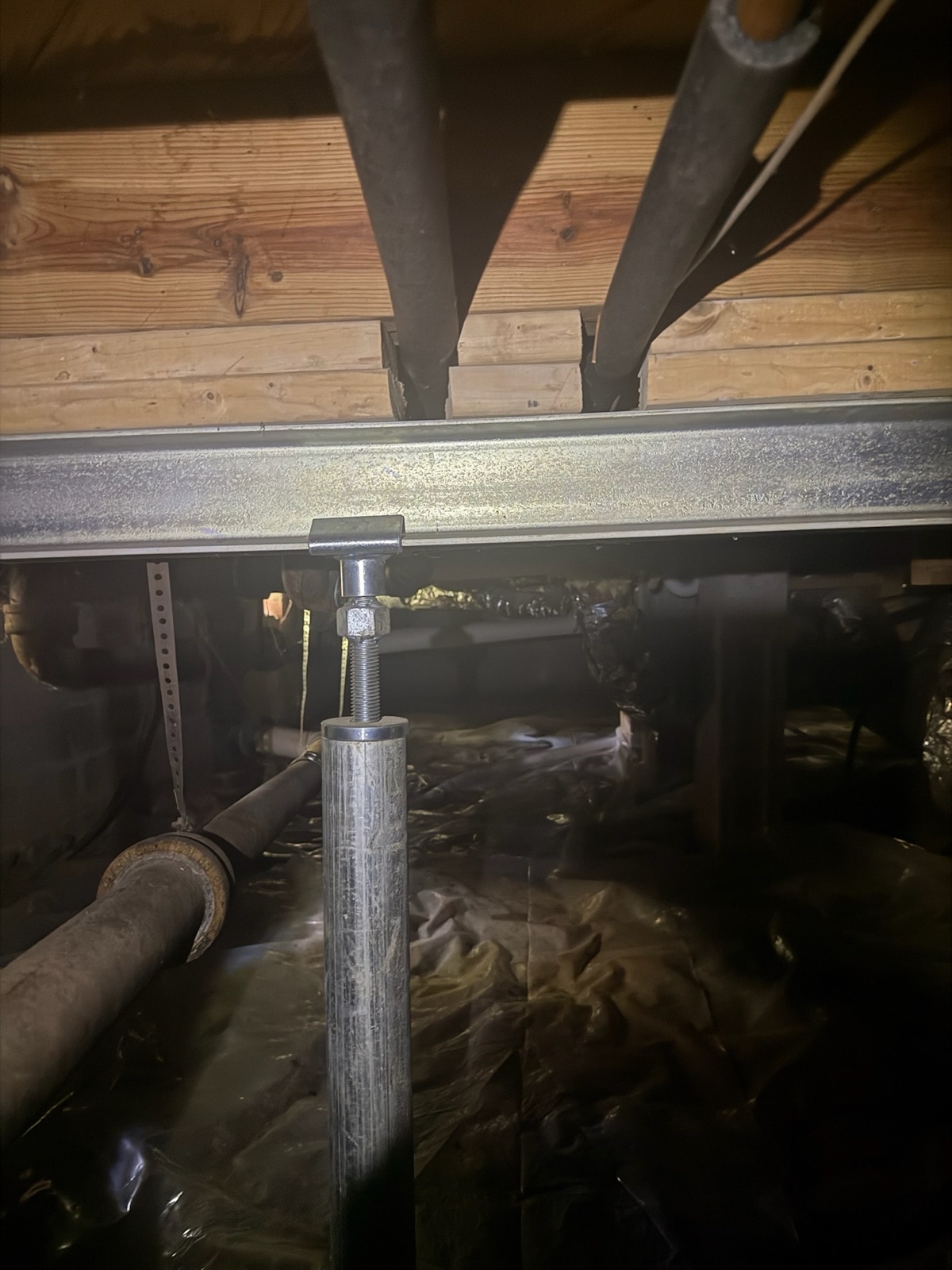
Row of installed steel SmartJack stabilization columns under a Metro Atlanta home — Crawl Daddy foundation repair
Atlanta-Owned Pros who care on every job
0% Interest 2yr financing available
Fully Insured For peace of mind
Warranty Backed by a written agreement

Foundations, the straight version

How do I know if my foundation needs repair?

You usually feel it before you see it. Doors and windows that stick or won't latch, diagonal cracks running up from the corners of door and window frames, floors that slope or bounce, gaps opening between the trim and the wall, stair-step cracks in brick or block. Those are the tells. Any one of them can have a harmless explanation. Several together, especially if they're getting worse, usually mean something's moving underneath and it's worth a look.

We go under the house, take measurements and photos, and show you what's happening. We don't diagnose a foundation from the curb.

Why are foundations a problem in Atlanta specifically?

It comes down to our soil. Atlanta sits on red clay, and red clay is expansive. It swells when it's wet and shrinks when it dries out. Through our long humid stretch from May through September it stays saturated and pushes on your footings; in a dry spell it pulls back and leaves them with less to bear on. That seasonal swing, year after year, is what works a foundation loose.

Then there's the housing stock. A lot of homes in places like Grant Park, Kirkwood, Decatur, and older parts of Marietta went up decades ago, before modern footing and drainage standards. They were never built for what our clay does over fifty years. We've spent enough time under Atlanta-area homes to know what your soil and your home's era tend to throw at us.

What's the difference between foundation repair and crawl space work?

They overlap, and honestly a lot of foundation problems start as moisture problems. If your footings are settling because water is undermining the soil under them, the real fix is two parts: stabilize the structure and stop the water. If your floors sag because joists rotted in a damp crawl space, that's where our crawl space encapsulation work meets our foundation work. We repair the framing and dry the space out so it doesn't happen again.

And if the water has made it into a basement and the walls are cracking or bowing under the pressure, that crosses into basement waterproofing territory. The point is we look at the whole picture under your house, not just the one symptom you called about.

Do you actually lift the house, or just stabilize it?

Depends on what we find. When a foundation has settled because the soil can no longer carry the load, we install piers down to stable, load-bearing strata and lift the structure back toward level, to the maximum practical recovery point. That's an honest way of saying we get it as close as the structure safely allows, not always all the way. Pushing too far on an old foundation can crack things that were fine.

In other cases the right move is to stabilize where it is and stop the movement, using bracing, support jacks, and drainage corrections, rather than chase a perfectly level floor at the risk of new damage. We'll tell you straight which one your house calls for.

How much does foundation repair cost in Atlanta?

It depends entirely on what's moving and why. Reinforcing a couple of failing support posts in a crawl space is a different job from installing a row of piers under a settling footing, and we won't pretend otherwise with a one-size number. The free inspection is where you get a real figure. We go under, find the cause, and put the scope and the price in writing before you commit to anything. And if it's a bigger project, we offer interest-free financing so you can spread it out.
How It Works

Four steps. No confusing jargon.

We keep the process simple and transparent so you know exactly what to expect before anyone starts work.

  1. Inspection

    We evaluate the crawlspace or basement and document what we find with photos and moisture readings.

  2. Assessment

    We review moisture levels, drainage, and structural integrity to understand the full picture.

  3. Clear Plan

    You receive a practical proposal tailored to your property. No jargon, no pressure, no surprises.

  4. Repair

    Our team performs the work and walks you through the result so you see exactly what was done and why.

What We Do

Foundation repair services we provide in Metro Atlanta

Here's how we assess foundation issues and bring stability back to your home.

Settlement assessment

Before we touch anything, we walk the property to find what's moving and why. That means measuring floor slope, checking for stair-step cracks in brick or block, getting under the house to look for moisture undermining the footings, and reading the drainage around the home. You get a plain-language rundown of what we found and which repairs actually address the cause, not just the cracks you can see.

Helical & push pier installation

When a foundation has settled because the soil beneath it can't carry the load anymore, piers transfer that weight down to stable, load-bearing strata. We install helical and push piers along the affected sections of footing, then lift or stabilize the structure to the maximum practical recovery point. Engineered, permanent, and built to hold.

Support beam reinforcement

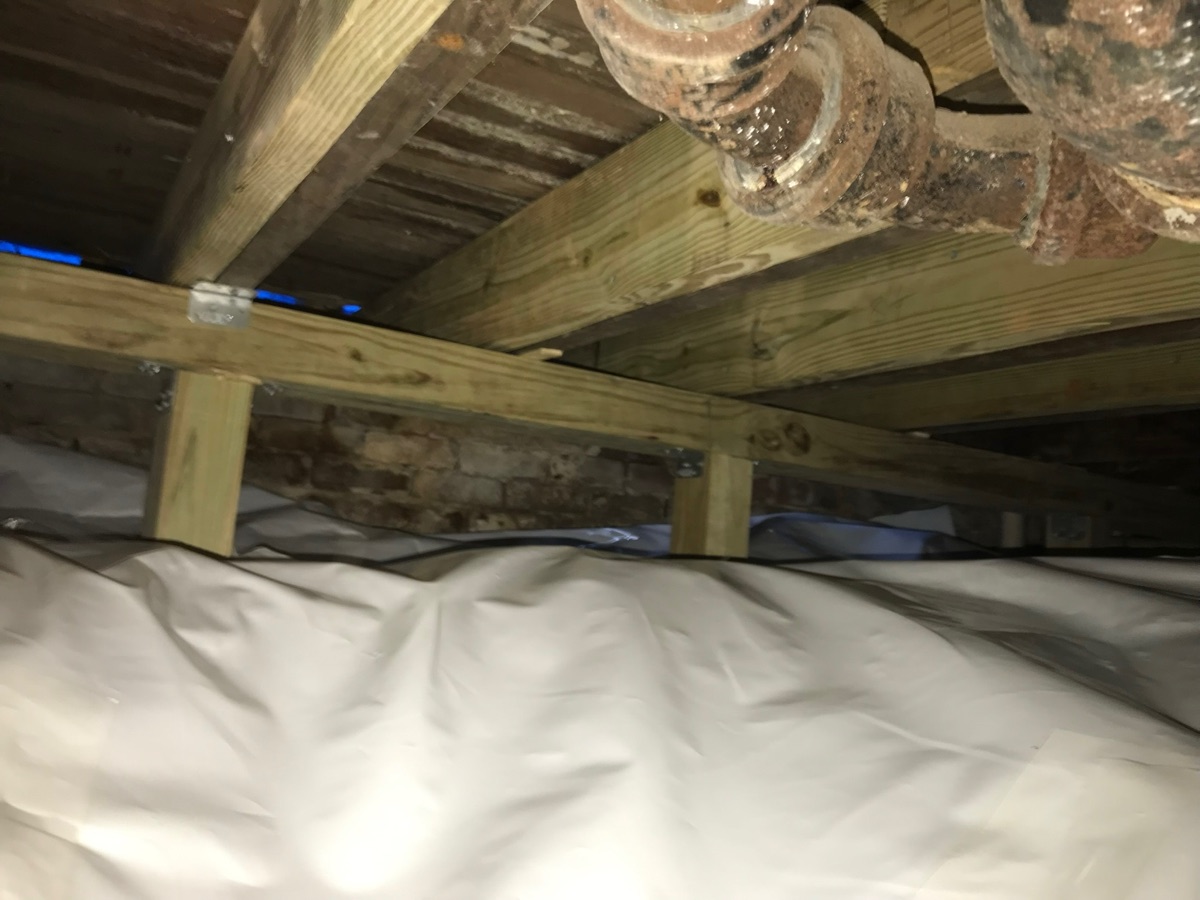
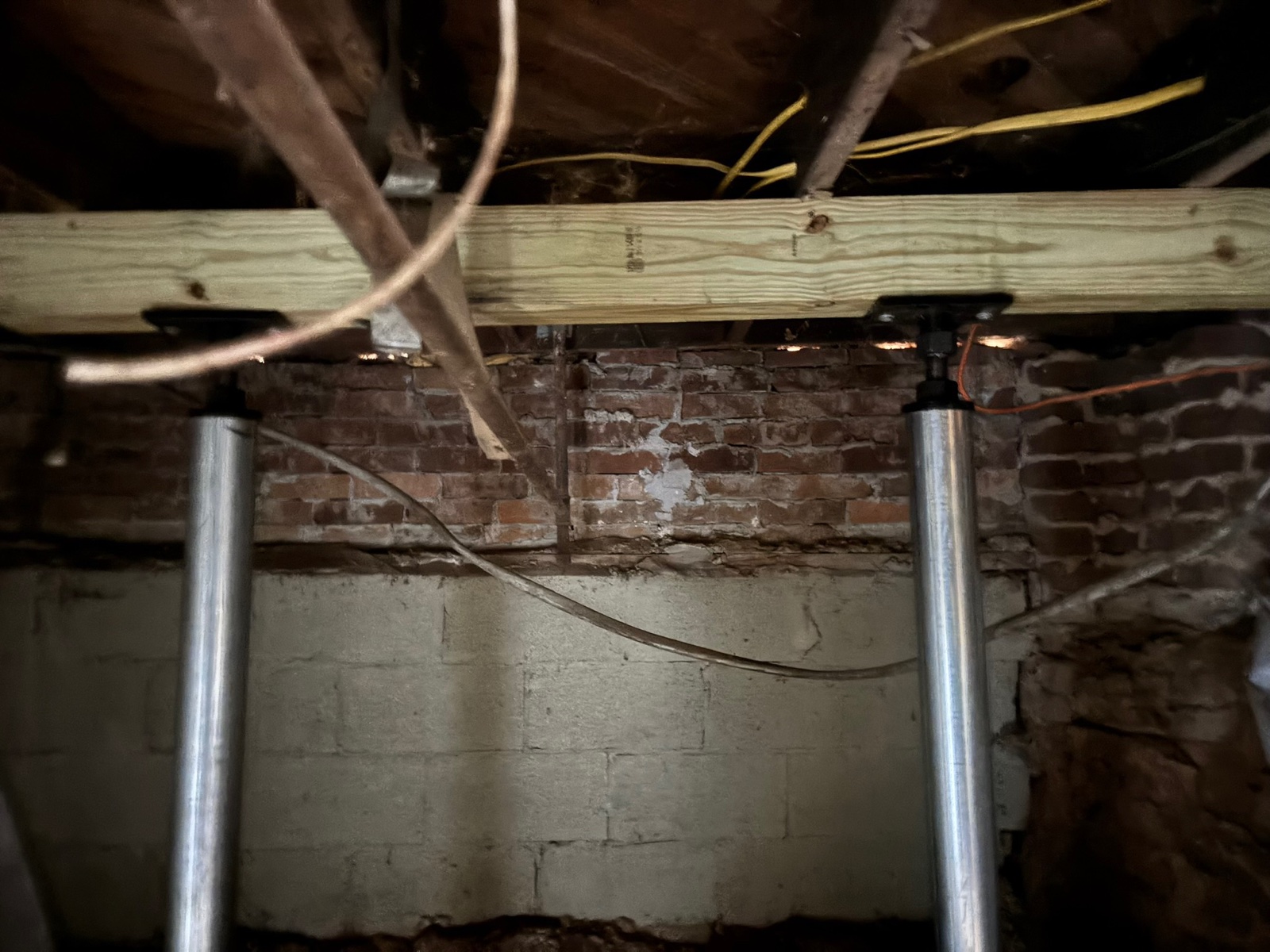
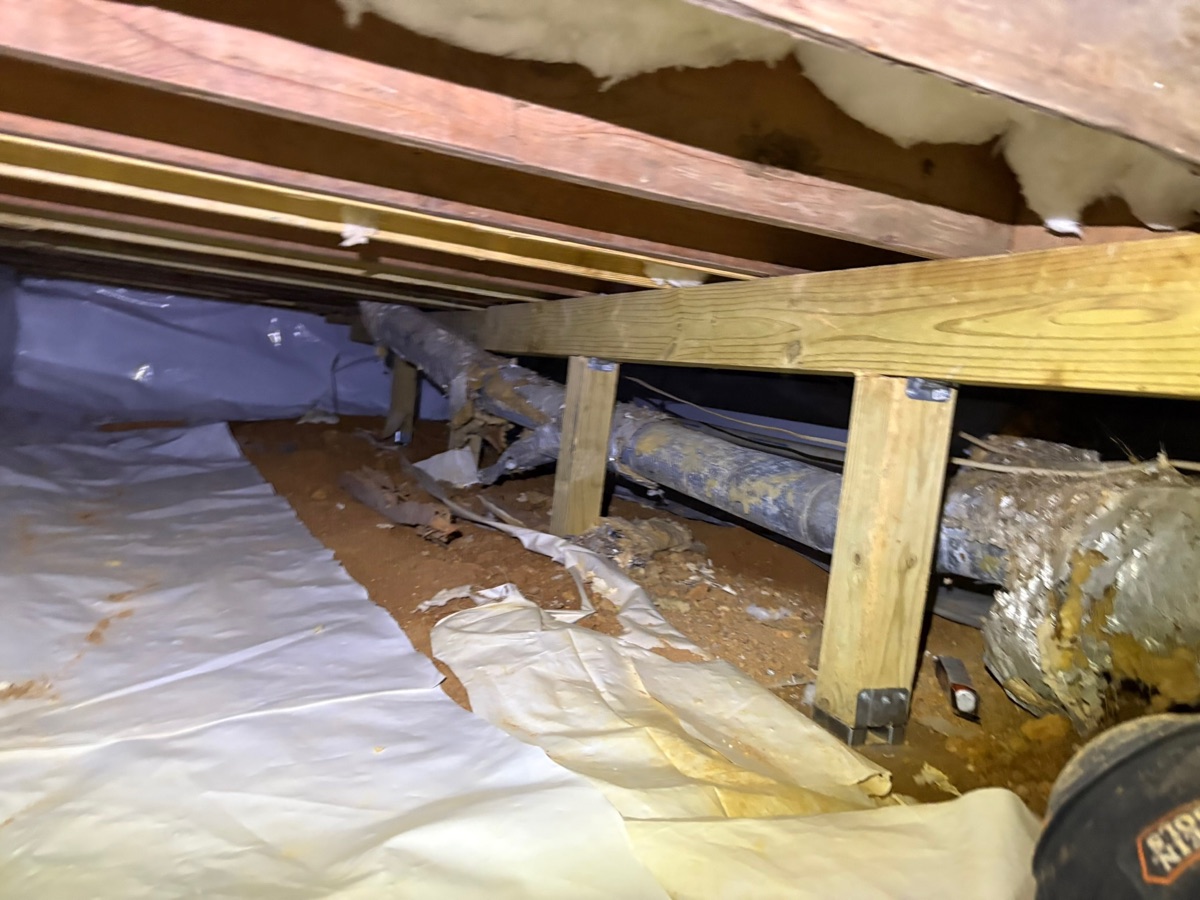
The beams and posts under your crawl space carry the load of your floors. When moisture, termite damage, or undersized framing wears them down, floors start to sag and bounce. We reinforce or replace the failing beams, add properly sized steel or engineered support, and tie the new framing into solid bearing points so the load actually goes somewhere.

Sagging floor repair

Sagging floors almost always trace back to something underneath: rotted joists, failed shimming, undersized beams, or a settling pier. We find the source from the crawl space up, repair or sister the damaged framing, and add adjustable supports where needed to bring the floor system back as close to level as the structure allows.

Shifting foundation stabilization

When a foundation is actively moving, whether from soil swelling and shrinking, poor drainage, or water pressure pushing on it, stabilizing it means dealing with both the structural symptom and what's driving it. We combine piering, wall bracing, and drainage corrections so the foundation holds its position and the conditions causing the movement get fixed too.

Real Atlanta foundation jobs

Homeowner Proof

What Atlanta homeowners say.

Extremely happy and grateful for the service I received. They came out the same day I called for an estimate and provided it right away. I loved the entire experience, and would definitely recommend them and use them again.
Danielle Weng · Google review
Locally owned and operated in Metro Atlanta Read our Google reviews

Frequently Asked

Common questions

What are the signs my foundation needs attention?
Doors and windows that stick or won't latch, diagonal cracks above doorways and windows, gaps opening between trim and walls, sloped or bouncy floors, stair-step cracks in brick or block, and visible cracks in the foundation itself. Any one can be harmless. Several together usually mean it's worth getting under there for a look.
How do you diagnose a foundation problem?
We walk the house above and below, checking floor levels, reading exterior cracks and drainage, and getting into the crawl space or basement where the framing meets the foundation. The goal is to find the cause, not just the symptom, so the repair matches what's actually happening. You get a plain-language explanation of what we found and what we recommend before any work starts.
What does the repair process look like?
It depends on the issue. Settlement is usually handled with piers that transfer load to stable soil. Failing support framing gets reinforced or replaced. Sagging floors get framing repairs and adjustable supports. Moisture-driven instability gets paired with drainage corrections so the same problem doesn't come back. We walk you through the whole plan before we begin.
Why are foundation problems so common in Atlanta?
Our red clay soil is expansive. It swells when wet and shrinks when dry, and our long humid summers keep that swing going hard. Year after year that movement works on your footings. Older homes built before modern footing and drainage standards feel it the most.
Can you fix sagging or bouncy floors?
Usually, yes, and the fix starts under the house, not on top of it. Bouncy floors trace back to rotted joists, undersized beams, failed supports, or settlement. We repair or sister the framing and add proper support to bring the floor back as close to level as the structure safely allows.
Will fixing the foundation also stop the moisture causing it?
If moisture is part of the problem, and under a lot of Atlanta homes it is, we deal with both. There's no sense stabilizing a footing while water keeps undermining the soil around it. We pair the structural repair with drainage and, where it fits, crawl space encapsulation so the cause is handled, not just the symptom.
Do you offer financing?
Yes. We offer interest-free financing, so you can spread the cost out without paying extra over time. We'll walk you through the options when we scope the job.
Do you offer emergency service?
Yes, we're available 24/7. If something's moving fast or you've got active water undermining the structure, call us and we'll get someone out.
What areas around Atlanta do you serve?
We work across Metro Atlanta and North Georgia. Check our service areas, or just ask when you book your inspection and we'll confirm you're in range.

Don’t Wait Until It’s Major

Get a clear plan for the space below your home.

Schedule a crawlspace or basement evaluation and understand what needs attention — no pressure, no obligation.

Free & No Obligation

Schedule Your Inspection

Tell us what’s happening under the house. We’ll follow up within one business day.

We respond within one business day. Prefer to talk now? Call us directly.