What is crawl space encapsulation?
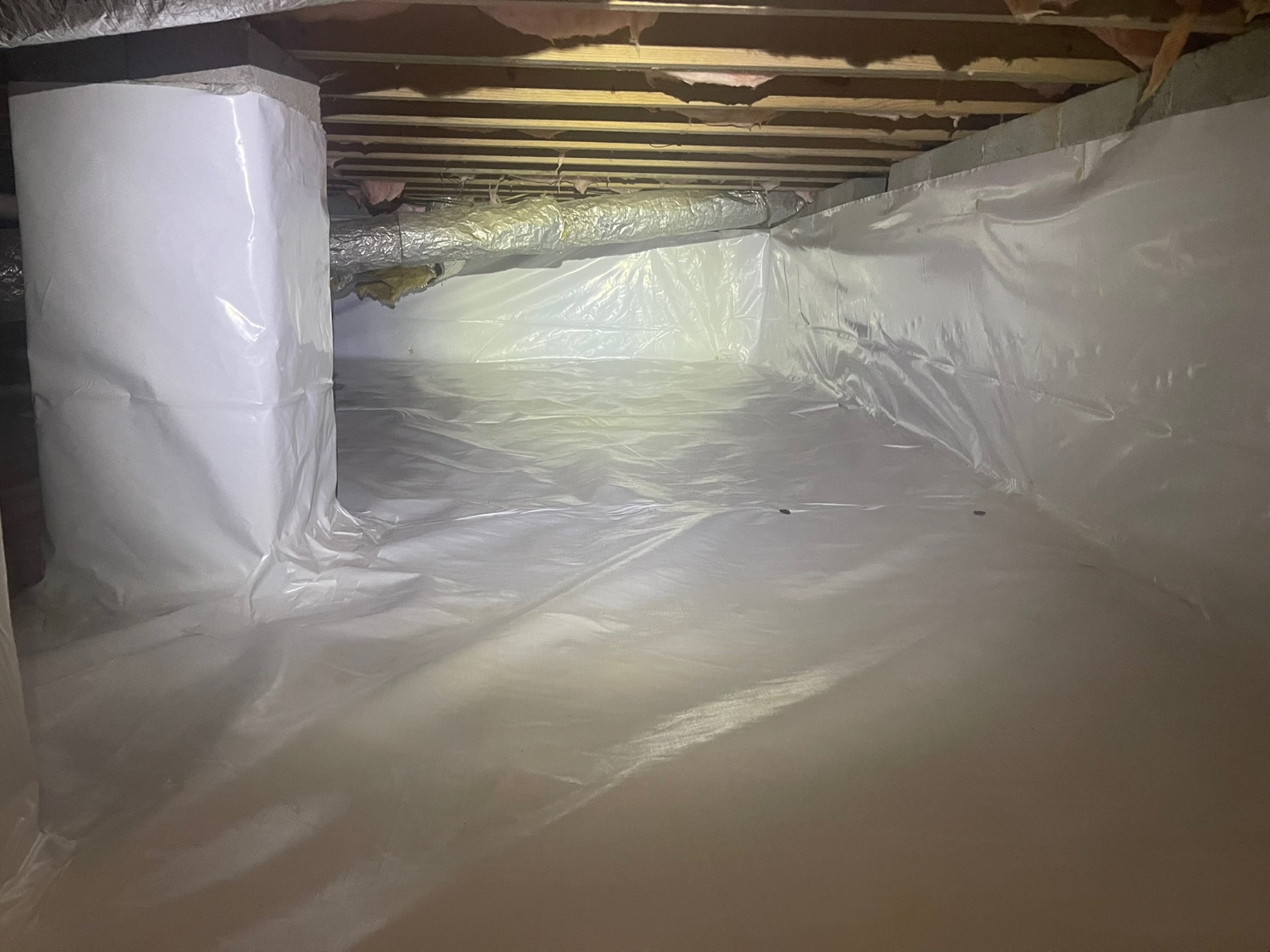
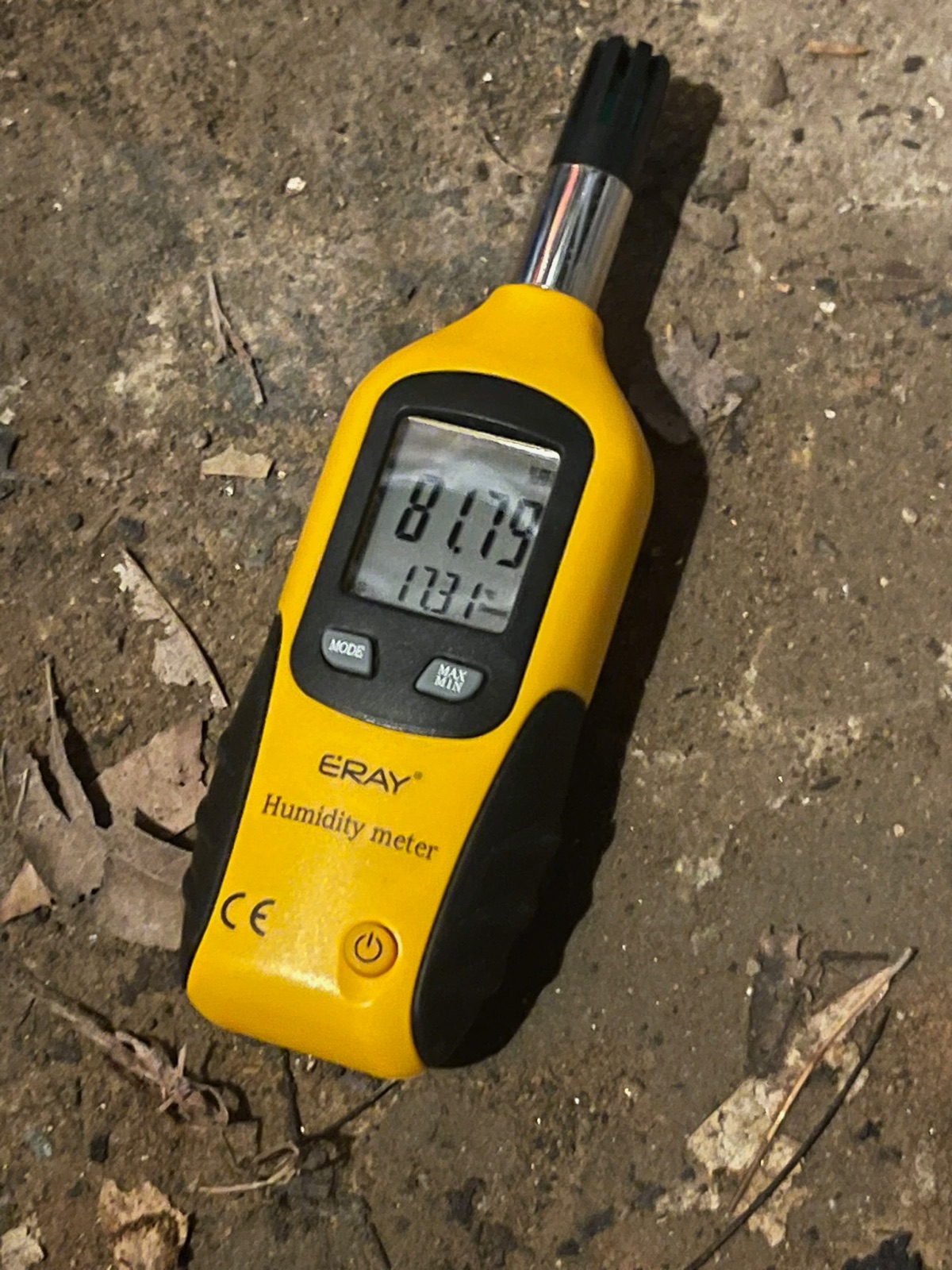
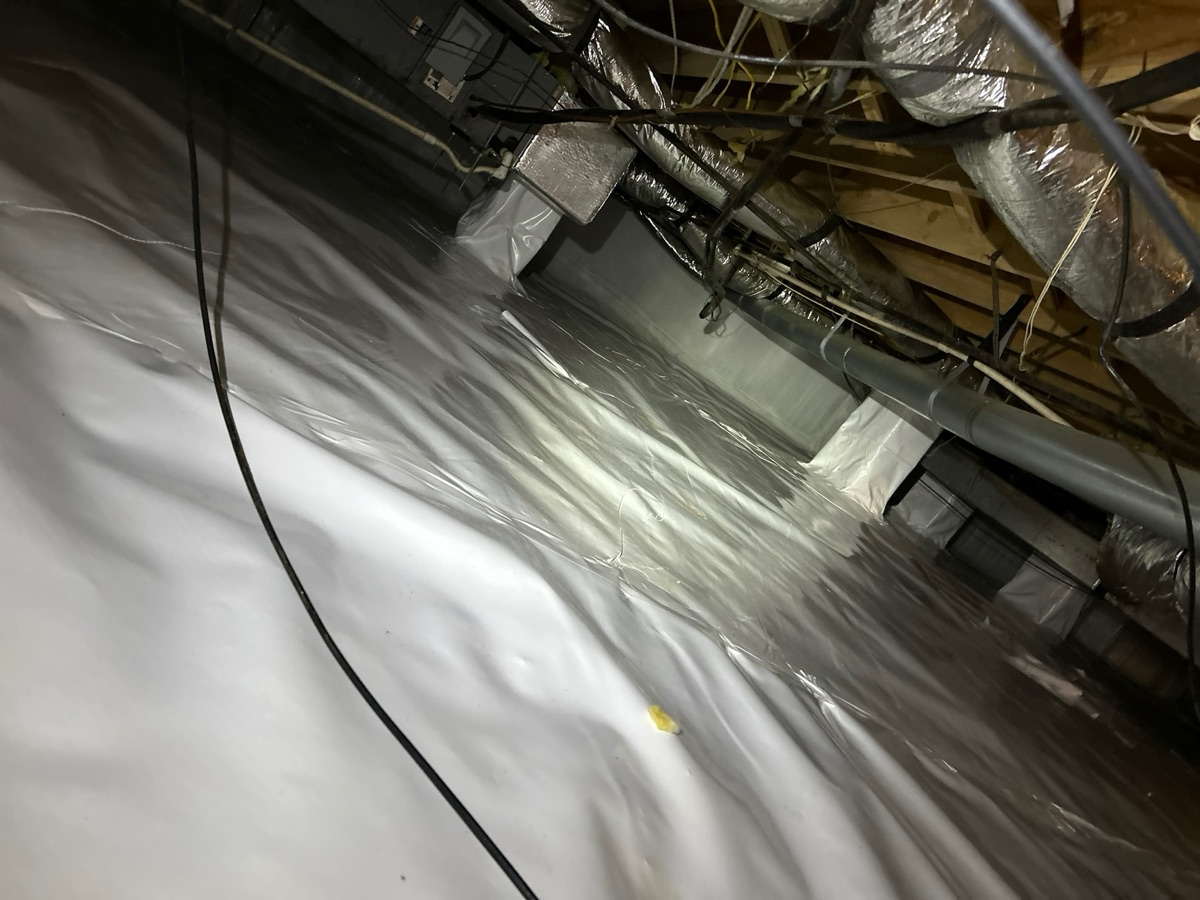
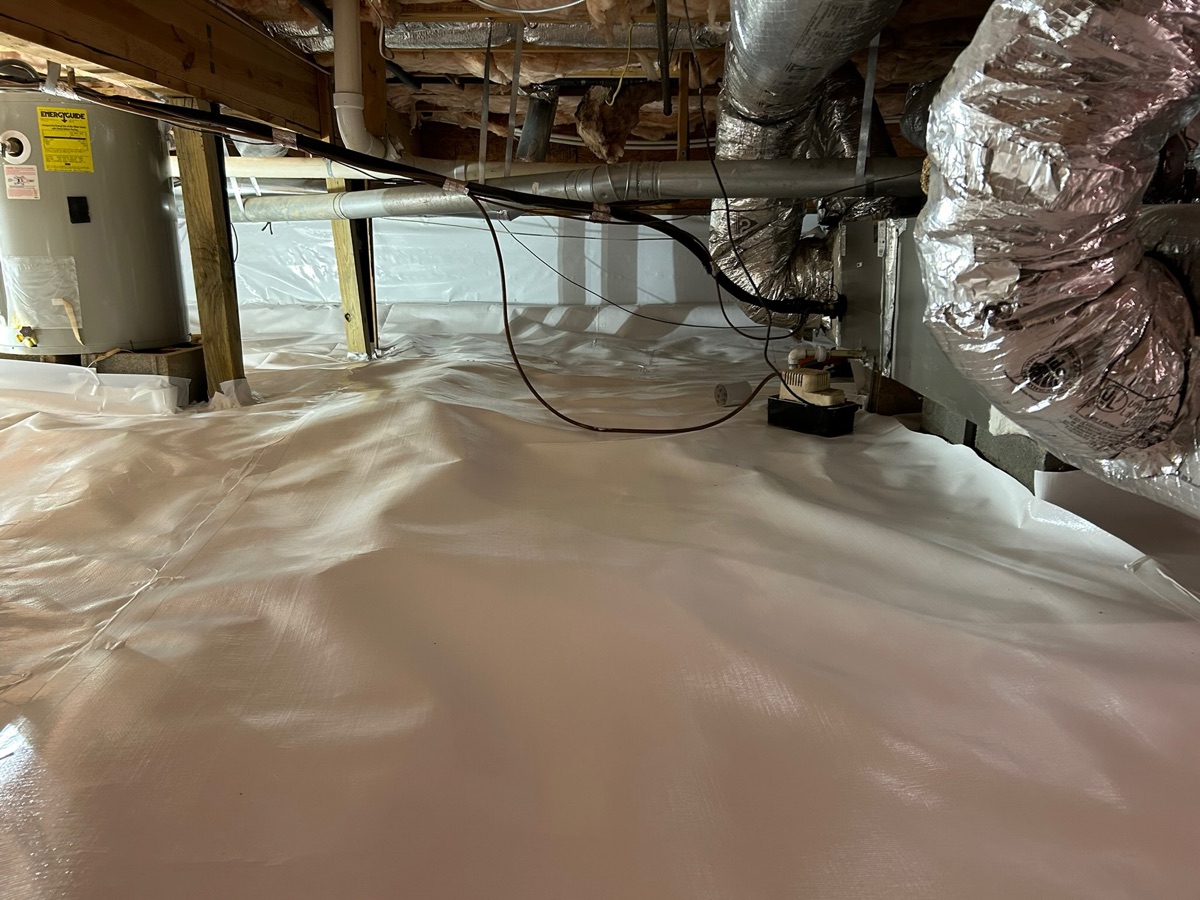
Crawl space encapsulation seals your crawl space off from the ground and outside air. We line the floor and walls with a heavy vapor barrier, close up the vents and gaps, and add a dehumidifier sized for the space so humidity stays in check year-round. The result is a dry, sealed area under your house instead of an open dirt pit feeding moisture into your floors.
Done right, it's the fix for chronic dampness, musty smells, and the wood rot and high energy bills that come with them.
Signs your Atlanta crawl space needs help
You usually don't see the problem — you smell it or feel it. It's worth a look if you've noticed any of these:
- A musty, damp smell that's strongest near the floors or when the HVAC kicks on
- Floors that sag, bounce, or feel uneven
- Humidity you can't shake upstairs, or rooms that never feel comfortable
- Condensation, standing water, or visible moisture under the house
- An inspection report flagging crawl space moisture, vapor barrier issues, or wood rot
- Higher energy bills with no other explanation
Any one of these is worth an inspection. We go under, take photos, and show you what's actually happening. We don't guess from the driveway.
When encapsulation alone isn't enough
Here's the part a lot of companies skip: encapsulation is a moisture fix, not a water fix. If water is actively pooling under your house after a hard rain, wrapping it in plastic just traps the water against your foundation.
When we find active water, we deal with the water first — drainage, a sump pump, grading — then encapsulate. If the damage runs into the framing, that's structural repair territory, and if water has made it into a basement we handle that too on our basement waterproofing side. If somebody quotes you encapsulation for a crawl space that's clearly taking on water, get a second opinion. We'd rather lose the upsell than seal a problem in.
Why Atlanta crawl spaces are different
Our red clay soil doesn't drain like sandy soil does — it holds water against your foundation and pushes moisture up through the ground for days after a storm. Add the long humid stretch from May through September and you've got a crawl space that stays damp far longer than the national how-to articles assume.
Then there's the housing stock. Homes in places like Grant Park, Kirkwood, Decatur, and a lot of Marietta went up decades ago, often with open vented crawl spaces and whatever vapor barrier was standard at the time, if any. What worked in 1965 is part of why your floors feel the way they do now. We've spent enough time under Atlanta-area homes to know what your particular era and neighborhood tend to hide.
What does crawl space encapsulation cost in Atlanta?
Most crawl space encapsulations in metro Atlanta run about $5 to $7 per square foot, depending on the size of the crawl space, how easy it is to get under there, whether there's existing damage to repair, and what kind of dehumidifier and drainage the space needs. The free inspection confirms the exact scope before you commit to anything.
We publish ranges instead of hiding behind "call for a quote" because you deserve to know roughly where you stand before anyone walks your house.