Why does my basement leak after heavy rain?
After a hard Atlanta rain, water saturates the clay around your foundation and builds pressure against the walls and floor. That pressure pushes water through cracks, cold joints, and the seam where the wall meets the floor. So the leak you see inside is really a drainage problem outside. Stopping it for good means managing the water, not just patching the spot where it shows up.
Signs your basement has a water problem
Don't wait for an inch of standing water. These are the early tells:
- Water or damp spots after heavy rain
- A musty smell, or humidity that won't quit
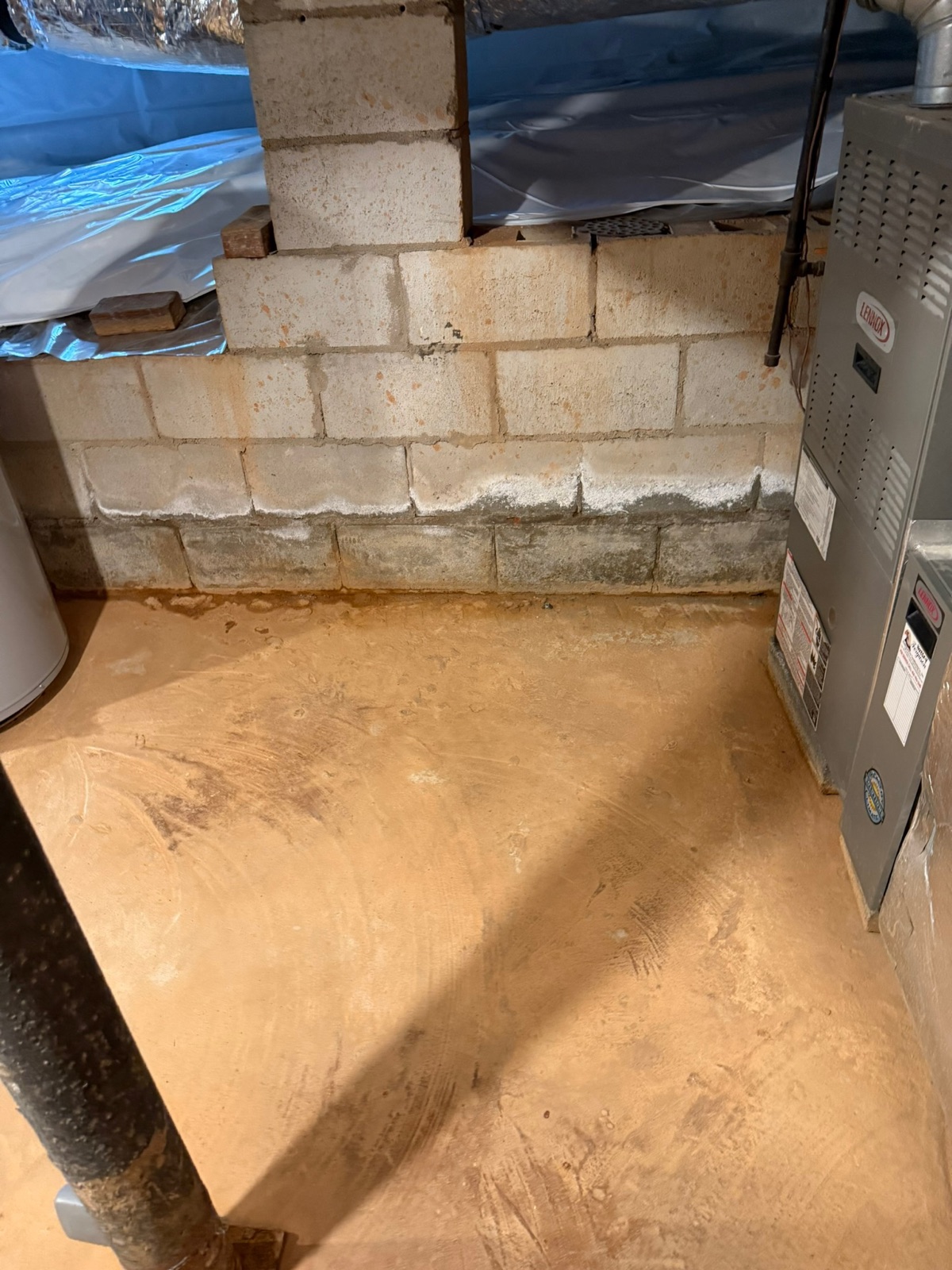
- White chalky residue (efflorescence) on the walls
- Cracks in the foundation wall or floor
- Bowing or leaning basement walls
- Rust at the base of appliances or framing
If you're seeing any of these, get it looked at before the next big storm.
Interior vs. exterior waterproofing: which do you need?
This is the question most homeowners are really asking, so here's the straight version.
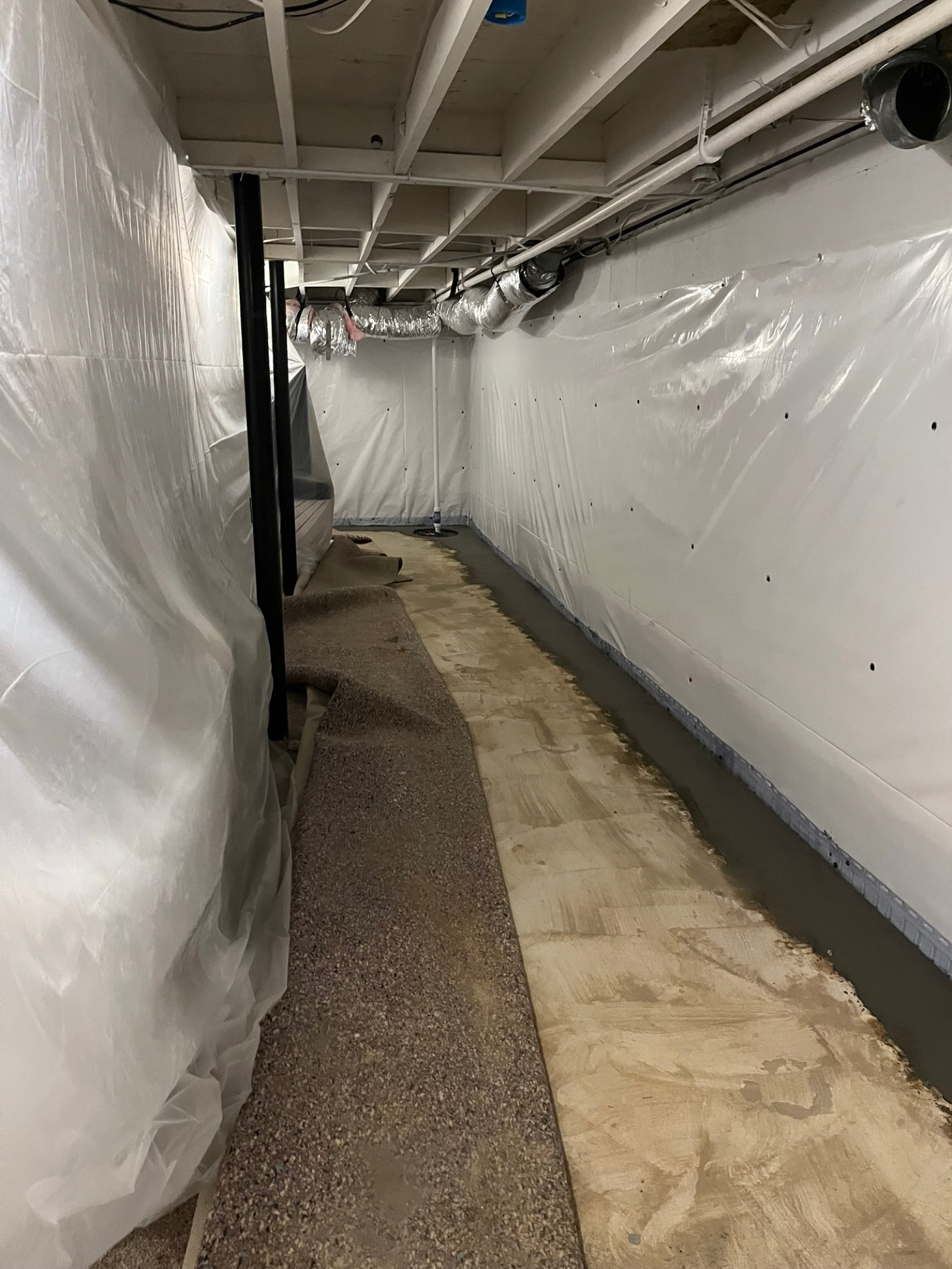
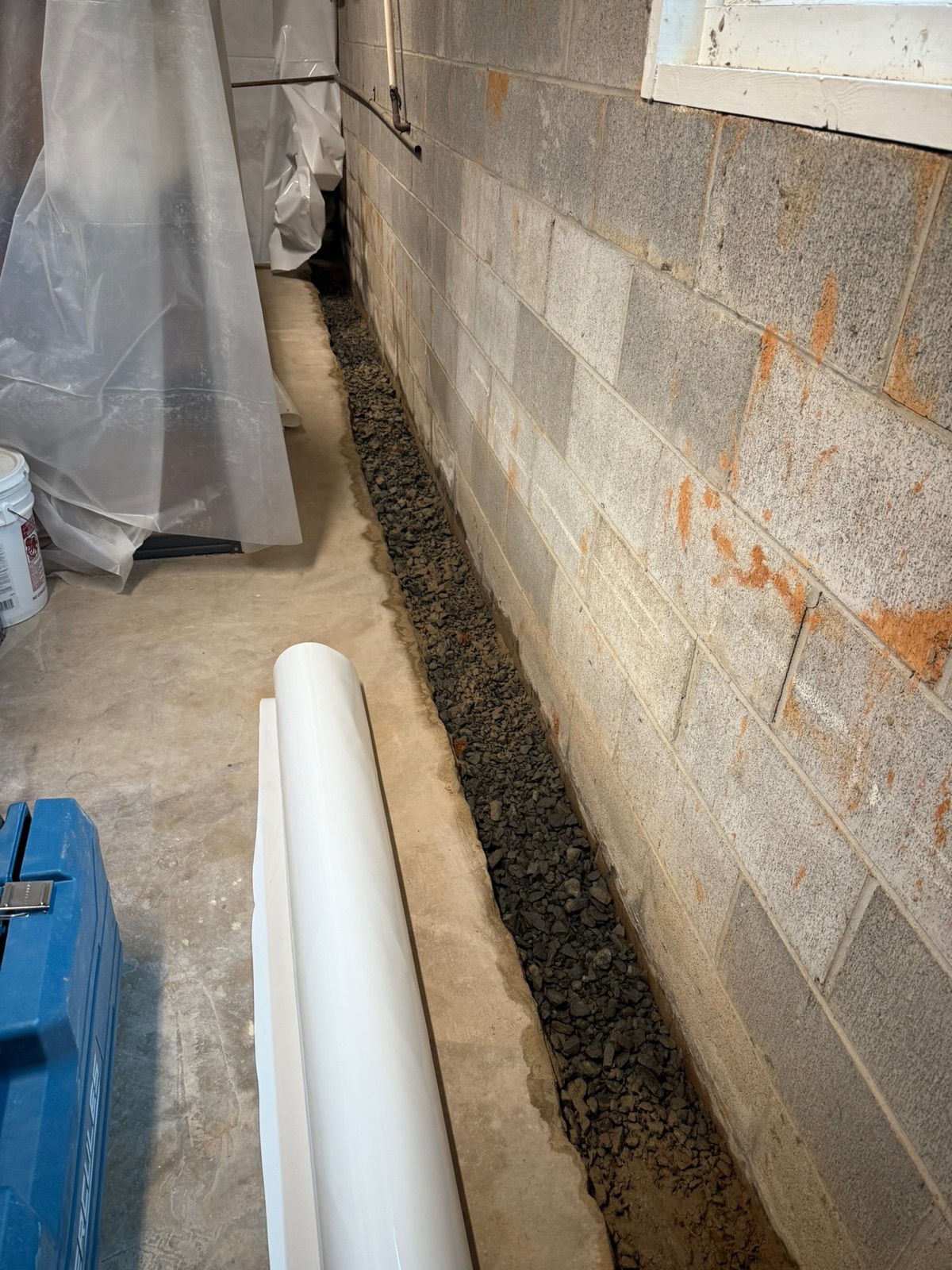
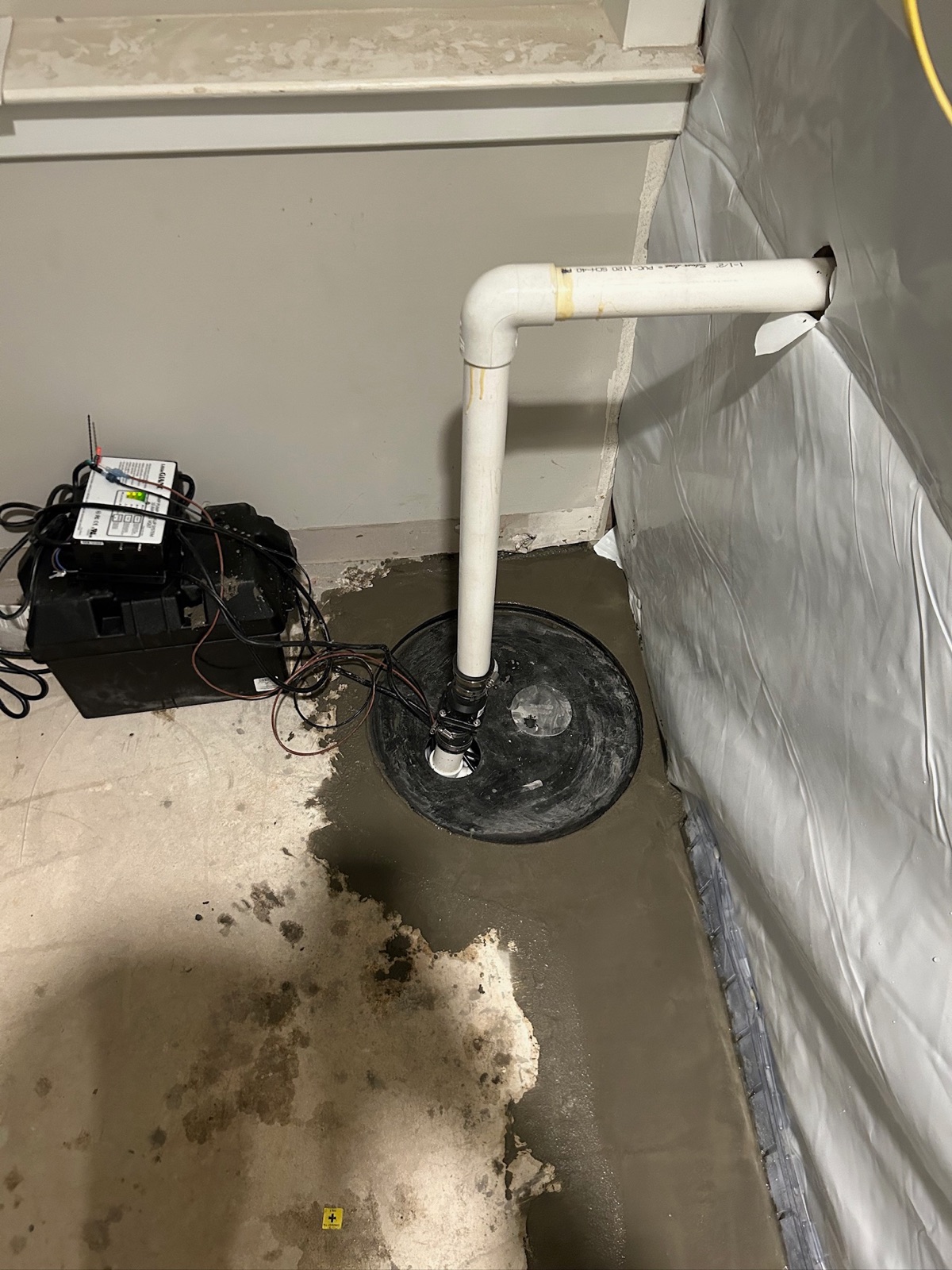
Interior waterproofing manages water once it reaches your foundation: an interior drain at the footing, a sump pump, and crack sealing. It's less invasive, costs less, and solves the large majority of Atlanta basement leaks.
Exterior waterproofing stops water before it touches the wall — excavating down to the footing, sealing the outside of the foundation, and fixing the grading and drainage. It's a bigger, more expensive job, and it's the right call when the problem is the wall itself or the grade is dumping water at the house.
Most homes do fine with interior work. We'll tell you honestly which one your basement actually needs, even when the smaller job is the answer.
Why Atlanta basements leak
Atlanta's red clay is expansive soil. It swells when it's wet and shrinks when it's dry, and it drains slowly, so after a storm it holds water against your foundation long after the rain stops. That standing water builds hydrostatic pressure and finds the weak points. Older homes in places like Decatur, Druid Hills, and Kirkwood add another wrinkle: foundations built before modern drainage standards, often with no interior drain at all. Knowing how water moves through our specific soil — across the neighborhoods we serve — is half the job.
What to do if your basement is flooding right now
If you've got active water, a few things help before we get there: kill power to the affected area if it's safe, move what you can off the floor, and don't run electronics that are sitting in water. Then call us. We're available 24/7 for active flooding, so you're not waiting until Monday while the water sits. Once it's stable, we move into water damage repair if the flooding got to your finishes or framing.
How much does basement waterproofing cost in Atlanta?
Basement waterproofing costs depend on what's actually wrong: interior drainage and a sump cost far less than full exterior excavation, and crack repair sits somewhere in between. We publish honest ranges instead of hiding behind "call for a quote" — but the real number comes from seeing your basement, so the free inspection is where you get it.